
If you are missing one tooth or more, you might be a good dental implant candidate. Replacing your missing tooth will help you maintain proper alignment in the rest of your teeth prevent bone deterioration prevent long-term problems that could require invasive and complicated treatment. Dental implants are perhaps the most durable of all dental restorations.
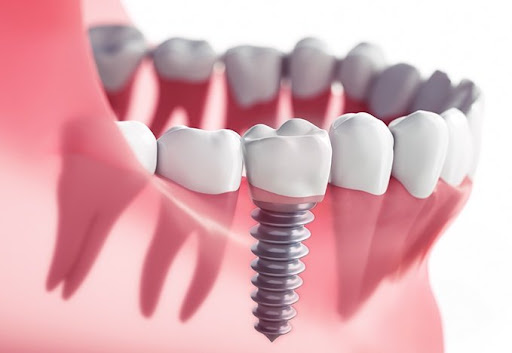
Anyone with missing teeth should consider dental implants as a replacement solution. Dental implants are inserted into the jawbone, and a crown is placed atop the implant to fill the space of a missing tooth. Because of the way an implant functions in the mouth, The first step is to consult with an implant dentist to see if you have any issues that could adversely affect your ability to heal after oral surgery.

1st step Initial consultation
The first stage of determining your if you are a dental implant candidate starts with an appointment with a dental implant professional for an evaluation. He will examinate your mouth and teeth and will make a comprehensive review of your dental and general health records.
X-ray scans of the teeth will be done and sometimes, a computed tomography (CT) scan. This is to get information about the bone mass in your jaw and the location of the nerves and sinuses to make a concise assessment for the procedure. Your overall health history and oral health play a crucial role in how well and fast the implant will heal and integrate with the bone.
Without sufficient bone structure, the dental implants will not have the required support to stay firmly rooted in the jaw. This may not disqualify you as the dentist may perform a bone graft to increase bone density. This usually means extracting bone material from other parts of the body and placing it in the jaw. The dentist will inform you if you are eligible for a bone graft.
During your consultation, your dentist will discuss the available options with you, including the procedure, costs and potential complications. If you are a candidate for a dental implant, you must be ready to commit to an excellent oral care routine to ensure the success of the procedure.
Who is not an ideal dental implant candidate
Certain factors such as pregnancy, smoking, cancer, uncontrolled diabetes, untreated gum disease, alcoholism and radiation to the jaw can negatively affect the success of the dental implant procedure. While you may still be eligible if you have one of these issues, the dentist must first assess your condition thoroughly and treat the underlying condition to ensure proper functioning before embarking on the implant procedure.
People who are on medications such as steroids and immunosuppressants may not be suitable candidates, either. If you have the habit of grinding or clenching your teeth, the pressure may affect the implants and cause damages. You may also not be eligible if your jawbones are still developing.
Generally, dental implants have a high success rate, and most patients are usually pleased with the outcome. If you are missing a tooth, contact a dentist for an evaluation, and they will prepare a suitable treatment plan for your needs.

Advantages of Dental Implants
Implants, like other forms of tooth replacement, help keep your other teeth in the proper position. Without a replacement tooth, your other teeth will move to fill the empty space. This can lead to misalignment, which could eventually push your jawbone out of proper position. Eventually, you could suffer from abnormal wear and tear, eventual loss of more teeth, and the symptoms of temporomandibular joint disorder (TMJ or TMD).
Implants also help keep your jawbone healthy by stimulating the bone to regenerate over time. Without a tooth root, the bone in the socket is resorbed, causing a breakdown of the bone’s integrity. Eventually, your upper and lower jaws will move closer together, creating a shrunken look. Dental implants help prevent this.
Contact us now to make an appointment at www.kemm-clinic.com


